
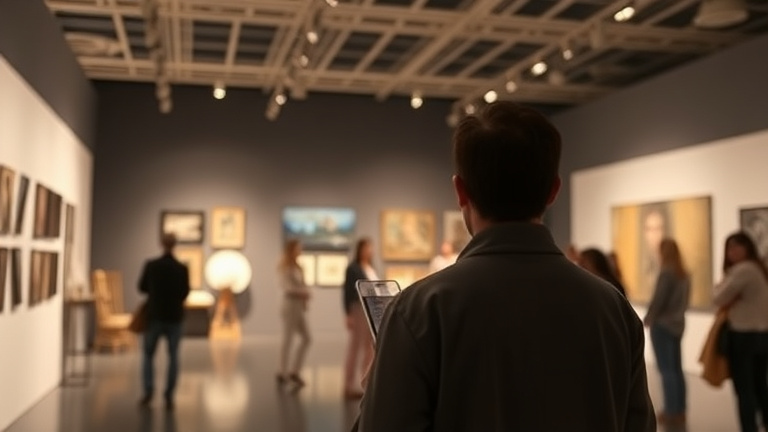
Museums face unprecedented challenges in attracting and retaining visitors in the modern digital era. Yet innovative directors nationwide are identifying compelling methods to reimagine their museums into thriving gathering spaces. From utilizing digital platforms and creating interactive experiences to collaborating with community groups and refreshing collections, these leaders are meaningfully strengthening ties with varied communities. This article examines effective strategies that museum staff are implementing to drive foot traffic, create substantive interactions, and secure institutional growth for future generations.
Creating Programs That Include Everyone
Museum directors acknowledge that inclusive programming is essential for attracting diverse audiences and fostering authentic community engagement. By designing programs and exhibitions that reflect the varied interests, backgrounds, and abilities of their communities, museums can create welcoming spaces where everyone feels valued. This approach transcends simply opening doors; it involves careful curation, accessible design, and programming that addresses multiple demographics and diverse cultural backgrounds.
Effective diverse programming initiatives demands museums to pay close attention to their audiences and adapt accordingly. Directors are conducting surveys, facilitating discussion groups, and establishing advisory boards that include representatives from underrepresented populations. This community-centered strategy guarantees that program selections reflect authentic community needs and preferences, resulting in higher visitor numbers and deeper engagement across all demographic segments and economic circumstances.
Family-Focused Initiatives
Family-oriented initiatives have become cornerstone strategies for museums seeking to build lasting relationships with younger audiences and their parents. Directors are developing interactive exhibits, hands-on workshops, and narrative experiences purposefully crafted to captivate young visitors while maintaining intellectual rigor for adult visitors. These programs acknowledge that families represent a significant attendance opportunity and that positive childhood experiences often develop into lifelong museum supporters and advocates.
Modern museums are broadening family programming outside of traditional gallery spaces through nature-based programs, online platforms, and public programming. Many institutions deliver affordable family memberships, no-cost admission events, and special programming during school holidays to reduce financial barriers. By building engaging experiences for all ages, museums reinforce family bonds while nurturing the next generation of engaged cultural consumers and community stakeholders.
Academic Collaborations
Educational partnerships represent a important channel for museums to expand their reach and enhance community impact. Directors are partnering with schools, universities, and educational organizations to embed museum resources into curricula and develop field trip programs that support student academic growth. These partnerships deliver students with practical educational learning experiences while driving regular visitor numbers and demonstrating the museum’s focus on educational achievement and community development.
Beyond conventional educational collaborations, museums are forging connections with adult education programs, workforce development programs, and public colleges. These collaborations enable museums to support varied student populations and position themselves as vital educational institutions within their local areas. By coordinating programs with educational standards and community learning goals, museums enhance their relevance and gain backing from learning sector partners and funding organizations.
Harnessing Online Channels and Social Networks
In this current connected world, museum directors acknowledge that digital platforms are crucial tools for engaging broader audiences and building authentic relationships. Social media channels enable museums to highlight collections, share behind-the-scenes content, and connect with visitors in real-time conversations. By maintaining vibrant and engaged online presences, museums broaden their reach far beyond traditional venues, attracting new visitors who might never have found them otherwise. Strategic digital marketing campaigns highlight unique displays and programs, creating buzz and anticipation among followers.
Leading museums are implementing varied online strategies that address varying visitor needs and interests. Online exhibitions, broadcast events, and engaging digital content let individuals worldwide to experience exhibitions from home. Museums are also utilizing data analytics to track audience interests and behaviors, enabling customized marketing approaches. Email newsletters, podcast series, and mobile apps sustain visitor connected during intervals. These online advancements complement traditional marketing while opening new pathways for discovery and participation.
- Develop compelling Instagram material highlighting collection highlights and expert perspectives.
- Host live Q&A sessions with experts on various online platforms.
- Build digital exhibition tours available for worldwide visitors on the internet.
- Deploy targeted advertising to engage defined populations interested in museums.
- Share community submissions from guests to build genuine audience relationships.
Creating Memorable Guest Moments
Museum directors recognize that creating unforgettable experiences is essential to cultivating dedicated visitors and encouraging repeat visits. By prioritizing personalized interactions, hands-on exhibits, and narrative-driven experiences, museums transform passive observation into interactive involvement. Directors implement guided tours tailored to specific interests, experiential learning activities, and exclusive collection tours that enhance visitor bonds to collections. These engagement strategies resonate particularly with families and younger audiences, fostering emotional attachments that extend far beyond the museum walls and create authentic word-of-mouth marketing.
Technology plays a vital role in improving visitor experiences without reducing the human element. Museums employ augmented reality applications, portable audio systems, and dynamic visual interfaces that complement traditional exhibits and accommodate diverse learning styles. Directors stress that unforgettable visits also necessitate attention to operational considerations: pleasant environments, intuitive navigation, welcoming staff, and intentionally created zones for reflection. By emphasizing visitor comfort and engagement at every touchpoint, museums foster rewarding visits that convert casual visitors into passionate advocates and community ambassadors for their institutions.
